Why Nature-Inspired Art Makes Your Home Feel Calmer

There are some rooms that feel restful almost immediately.
Not empty. Not bland. Just easier to be in.
That feeling comes from a combination of things: light, colour, texture, and the absence of too much visual noise.
But artwork can play a surprisingly important part in it too.
In particular, nature-inspired art has a way of softening a room and changing its emotional tone.
A landscape, a quiet wildlife piece, a water scene, or an image drawn from woodland, coast, or countryside can make a space feel more grounded, more breathable, and more peaceful.
This is not only because nature is beautiful. It is also because we respond to it very instinctively.
Nature-inspired art brings some of that response into the home.
It Connects Us to Something Familiar and Restorative
Even when we live busy lives indoors, most of us still respond deeply to the natural world.
Trees, water, sky, birds, changing weather, and seasonal light all carry associations that are older than interior design and older than taste.
They suggest space, rhythm, shelter, movement, and stillness.
They remind us of things that exist outside deadlines, screens, traffic, and mental clutter.
That is one reason nature-inspired art can feel so calming.
It introduces a subject matter that is already linked, in many people’s minds, with:
rest
balance
breathing space
quiet observation
and a slower sense of time
A room does not need to be filled with plants and botanical motifs to benefit from this. Sometimes a single landscape or wildlife print is enough to shift the atmosphere.
Natural Subjects Tend to Feel Less Aggressive
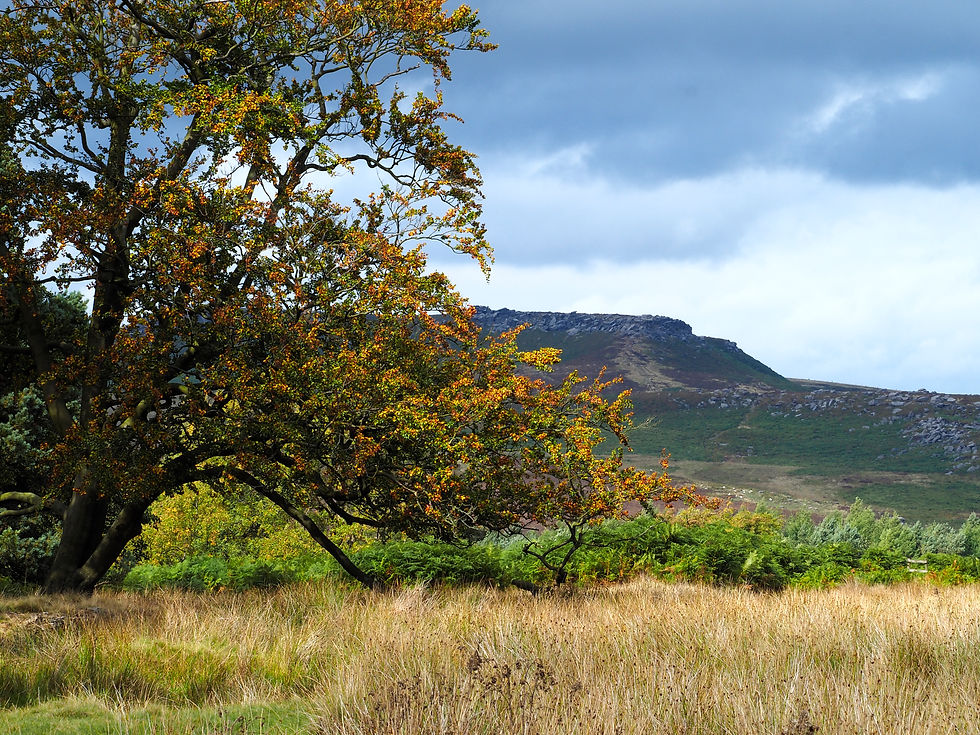
Some artwork is designed to energise, provoke, or make a bold statement.
There is nothing wrong with that, and in some rooms it can work brilliantly.
But in spaces where you want calm, subjects matter.
Nature-inspired imagery often feels less visually confrontational than more graphic, chaotic, or high-intensity subject matter.
A lake, a woodland path, an estuary, or a bird perched in quiet light usually asks less of the nervous system than something loud, angular, or emotionally charged.
That does not mean it is dull.
It simply means that it tends to allow the eye to settle rather than constantly react.
And that is often what calm in a room really is:not emptiness, but ease.
It Often Uses Colours That Naturally Support Calm
One of the strongest ways nature-inspired art influences a room is through colour.
Natural landscapes and wildlife pieces often include palettes that people already find easy to live with:
soft blues
muted greens
warm earth tones
pale greys
gentle neutrals
softened golds and browns
These colours tend to work well in interiors because they:
reflect light softly
feel balanced rather than intense
create continuity with natural materials such as wood, linen, jute, and stone
support rest rather than overstimulation
Blues and greens, in particular, are often associated with calm because they echo sky, water, foliage, and distance.
A room with art that contains those tones can feel more open, grounded, and visually settled.
This is one reason nature-inspired art often works so beautifully in:
bedrooms
living rooms
reading nooks
hallways
home offices
It carries colour, but in a way that feels breathable.
It Brings the Outdoors In Without Adding Clutter

One of the most useful things about wall art is that it changes the atmosphere of a room without taking up any floor space.
That matters even more when the subject matter is nature-based.
A calm landscape or wildlife print can introduce:
a sense of openness
natural texture
a seasonal or atmospheric feeling
colour that relates to the outdoors
without adding another object to dust, move, or style.
This makes nature-inspired art especially valuable in smaller rooms or simpler interiors, where you may want warmth and personality without creating visual clutter.
A single print can make a room feel more connected to the natural world even if the room itself is compact or urban.
Landscape Art Can Create a Sense of Space

This is one of the most practical reasons nature-inspired art feels calming.
Landscapes often suggest depth.
A horizon line, a stretch of water, a path moving into distance, or layered hills beneath a changing sky can all make the eye travel beyond the wall itself.
That sense of visual distance can subtly make a room feel less enclosed.
In other words, landscape art does not only decorate a wall. It can expand it psychologically.
That is especially useful in:
small rooms
low-light rooms
narrow spaces
bedrooms that need softness
living rooms where you want a sense of airiness
A room that feels visually more spacious often feels calmer too.
Wildlife Art Can Add Warmth Without Noise

Nature-inspired art is not only about scenery.
Wildlife has a slightly different emotional effect.
A bird, fox, owl, hare, or other animal subject often brings:
warmth
character
intimacy
a gentle sense of life in the room
The key is in the tone of the piece.
Wildlife art that is soft in colour and composition can feel deeply companionable without becoming busy or whimsical. It gives the room a focal point and a quiet emotional connection.
That is one reason wildlife art works so well in:
reading corners
bedrooms
hallways
smaller living spaces
homes that want warmth as well as calm
A good wildlife piece often feels personal, as though the room contains not only decoration, but presence.
It Encourages Slower Looking
One of the reasons some rooms feel calmer than others is that they do not demand constant reaction.
Nature-inspired art often supports this because it tends to reward slower attention.
A landscape invites the eye to wander.
A woodland scene reveals detail gradually.
Water and sky carry subtle shifts in tone.
A bird or animal subject may have a quiet expression or stillness that reveals itself over time.
This slower visual rhythm matters.
In a home, the best art is rarely something you look at once and are done with. It is something you can return to daily without feeling exhausted by it.
Nature-inspired art is often especially good at that.
It has enough interest to hold attention, but not so much urgency that it becomes tiring.
It Works Beautifully With Calm Interior Materials

Another reason nature-inspired art helps a room feel calmer is that it usually sits easily alongside the materials people already use in restful interiors.
Think of:
pale wood
linen
cotton
wool
jute
stoneware
off-whites
muted paint colours
Nature-based art tends to feel at home among these materials rather than clashing with them.
That means the room can feel more cohesive overall.
When the art, colour palette, and textures all support one another, the space feels more resolved.
There is less friction between elements, and that quiet visual agreement contributes greatly to calm.
It Makes a Room Feel More Personal, Not Just Styled

There is an important difference between a room that looks styled and a room that feels inhabited.
Nature-inspired art often helps bridge that gap.
A generic decorative print may fill a wall, but a landscape, local scene, or wildlife piece often brings something more personal:
a memory of a place
a love of birds or countryside
an affinity with coast, woodland, or water
a sense of season or atmosphere that matters to you
This makes the room feel less like a set of design decisions and more like a real space belonging to a real person.
And that can be calming in itself.
A home feels easier to live in when it reflects something genuine rather than something borrowed from a trend.
It Supports Restful Rooms Especially Well
Nature-inspired art is particularly effective in rooms where emotional tone matters most.
In bedrooms
It can soften the atmosphere and support rest, especially through landscapes, water scenes, pale blues, greens, and gentle wildlife.
In living rooms
It can create a sense of welcome and ease, helping the room feel more grounded and less showy.
In home offices
It can provide visual relief, especially if the work itself is screen-based or mentally busy.
In hallways and transitional spaces
It can create a sense of continuity and quiet mood rather than leaving those areas feeling purely functional.
In each case, the art is doing more than matching a scheme. It is helping shape the emotional climate of the room.
It Brings Nature In Even When Real Nature Feels Far Away
Not every home opens onto fields, woodland, or open water.
Some rooms face roads, fences, neighbouring buildings, or grey skies.
Some homes are in towns or cities.
Some people simply do not have as much access to landscape as they would like.
Nature-inspired art can't replace being outdoors, but it can still make a difference.
It brings visual reminders of:
openness
softness
movement
living things
seasonal change
weather and light
And sometimes that is enough to alter the mood of a room in a meaningful way.
A wall showing water, trees, birds, or distant hills can create a quiet counterbalance to the pace and pressure of everyday life.
Calm Does Not Mean Boring

This is worth saying clearly.
A calm room does not have to be colourless, bland, or overly minimal.
Nature-inspired art can still carry:
drama
richness
detail
warmth
contrast
atmosphere
The difference is that it often does so in ways that feel organic rather than jarring.
A stormy sky can be calming if the palette is harmonious.
A woodland scene can be dark and grounding rather than gloomy.
A wildlife piece can be characterful without feeling cartoonish.
A reservoir or estuary can hold both quiet and emotional depth.
Calm in interiors is not the absence of feeling.
It is the presence of balance.
And nature-inspired art is often very good at creating that balance.
How to Choose Nature-Inspired Art for a Calmer Home
If you want to use nature-inspired art to create a calmer atmosphere, a few principles help.
Choose subjects that match the mood you want
for openness: water, horizon, skies, distant hills
for grounding: woodland, trees, mossy tones
for warmth: birds, wildlife, softer countryside scenes
for softness: mist, estuaries, pale light, gentle abstracts from nature
Keep the palette easy to live with
Muted greens, pale blues, earthy neutrals, warm greys, and soft natural tones tend to sit most calmly in a room.
Think about scale
One well-chosen piece often does more for calm than many smaller busy pieces fighting for attention.
Give it room
Nature-inspired art works best when it has space to breathe around it.
Choose what you genuinely respond to
The most calming artwork is often the work that feels emotionally right to you, not simply what matches the cushions.
Final Thoughts
Nature-inspired art makes a home feel calmer because it brings in some of the things we most often seek from the natural world itself:
space
balance
softness
rhythm
quiet interest
and a sense of being connected to something beyond the room
It does this through subject matter, colour, atmosphere, and the way it slows the eye down.
A landscape can create distance.
A wildlife piece can add warmth.
A woodland scene can ground a room.
A water view can soften it.
And often, that is enough to change not only how a room looks, but how it feels to live in.
That is where the real value of art lies.
Not only in filling walls, but in shaping atmosphere.
Explore My Prints
If you’re looking for nature-inspired artwork designed to bring calm, atmosphere, and a sense of space into your home, you can browse my collection here:


xosoplus.mobi dạo này thấy bạn bè nhắc hoài nên mình cũng ghé thử cho biết, kiểu vào xem giao diện họ làm ra sao thôi. Vừa mở lên là thấy họ chia theo chuyên mục XSMB theo ngày khá rõ ràng, nhìn cái tiêu đề có “XSMB ngày 19 07 2026” với phần dự đoán cho 20 7 2026 là biết ngay đang nói tới kỳ nào, khỏi phải mò. Mình cũng để ý cái khối “Đầu lô tô Đuôi lô tô” họ trình bày dạng bảng cột nên lướt nhanh vẫn bắt được số, nhìn gọn chứ không bị dính chữ tùm lum. Nói chung ai thích xem dữ liệu thẳng tay chắc sẽ thấy dễ chịu, nhất là…
https://keonhacai5.com/ mình ghé thử do lướt thấy người ta nói, kiểu vào xem giao diện là chính. Ấn tượng đầu là trang chia khối nội dung khá mạch lạc, nhìn qua không bị “ngợp” chữ. Mình có bấm vào bài Girona vs Athletic Bilbao (03h00 ngày 05/11) vì nó nằm tiêu đề nổi bật, kéo xuống đọc thấy đoạn nào ra đoạn đó, ngắn gọn nên lướt nhanh vẫn nắm được ý. Phần kèo/tỉ lệ họ để dạng bảng theo cột, mắt mình nhìn phát hiểu luôn chứ không phải soi từng dòng. Thanh menu cũng đặt ngay chỗ dễ thấy nên chuyển qua lại không bị lạc, nhất là cách họ làm tiêu đề và khung nội dung nhìn…
ga vang tv dạo này mình thấy có người nhắc tới khi nói về các nền tảng giải trí trực tuyến nên cũng thử mở vào xem cách họ bố trí giao diện ra sao. Mình không đi sâu vào nội dung hay từng trò cụ thể, mà chủ yếu quan sát cách các chuyên mục được phân chia trên trang và cách thông tin hiển thị cho người dùng. Nhìn tổng thể thì các khu như thể thao, casino, game bài hay slot thường được sắp xếp theo từng nhóm khá rõ, hiển thị dạng khối và danh sách nên lướt qua cũng dễ theo dõi. Các bảng dữ liệu được trình bày dạng cột khá gọn, giúp quan…
tylekeotv.com mình cũng chỉ tình cờ thấy ai đó nhắc nên bấm vào xem thử cho biết. Ấn tượng đầu là trang nhìn khá thoáng, bố cục chia khung rõ nên lướt nhanh vẫn nắm được mình đang ở đâu. Mình không đọc kỹ từng phần, chỉ kiểu xem cách họ trình bày thôi. Cái mình thấy tiện là thanh menu đặt dễ nhìn, chuyển qua lại mấy mục không bị loay hoay tìm nút. Chữ với khoảng cách dòng cũng vừa phải, nhìn lâu không bị rối mắt như vài trang hay nhồi quá nhiều thứ. Nói chung cảm giác dùng nhẹ nhàng, các khối nội dung được căn thẳng hàng và menu nằm ở vị trí khá dễ…
fly88 mình cũng chỉ kiểu nghe nhắc hoài nên bấm vô xem thử cho biết thôi, không định ngồi đọc sâu hay gì. Vào cái thấy trang họ chia mục khá rõ, nhìn lướt là biết đang ở phần nào, không bị rối mắt. Có đoạn họ nói về bảo mật kiểu mã hóa SSL 256-bit với lưu dữ liệu trên server nước ngoài, đọc qua thấy cũng yên tâm hơn chút dù mình chỉ xem giao diện. Mình thích nhất là mấy khối nội dung được đóng khung gọn gàng, chữ không dồn dập, kéo xuống vẫn giữ nhịp dễ theo dõi. Menu đặt ngay chỗ dễ thấy nên chuyển qua lại nhanh, và mấy box hỏi đáp trình…